The Animal Nobody Takes Seriously Until They Should
When visitors to Akagera National Park see hippos for the first time, the reaction is almost always the same: delight, then confusion, then amusement. They are enormous, ungainly, and look like something that should not exist. They look slow. They look lazy. They look safe.
They are not. Hippopotamus amphibius is responsible for more human deaths in Africa than any other large mammal. Between 500 and 3,000 people are killed by hippos annually across the continent -- primarily fishermen and farmers who encounter them near water. Understanding why requires understanding what hippos actually are.
What Hippos Actually Are (Not What You Think)
Hippos are not herbivorous cattle of the water. They are highly territorial, fast on land (up to 30 km/h for short distances -- faster than most humans can sprint), and possess the largest canine teeth of any land mammal. Those teeth are not for eating -- they are weapons, used exclusively in territorial combat and defense.
Hippos are semi-aquatic ungulates whose closest living relatives are cetaceans -- whales and dolphins. They spend the day in water regulating their body temperature (they have no sweat glands; the pink secretion you may see on their skin is a natural sunscreen and antimicrobial called hipposudoric acid -- it is not sweat and not blood). At night they leave the water to graze for 4-5 hours, traveling up to 10 km from their pool.
The combination of aquatic territory, a family group to protect, and the capacity for explosive speed makes a hippo extremely dangerous to anything that accidentally enters their space. In Akagera, where hippos and humans coexist, the rules are simple: stay in your vehicle, do not get between a hippo and water, do not approach on foot.
Hippo Behavior -- The Language of Yawns and Splashes
From a safe viewing distance, hippo behavior is endlessly readable once you know the code:
- The yawn: Not boredom. A hippo yawning wide -- exposing those 40 cm canines -- is a threat display. It is saying: I am this well-armed. Approach carefully. Two males yawning at each other are negotiating territory without fighting.
- Dung scattering: Males spin their tails rapidly while defecating, spreading dung over a wide area. This marks territory. When you see this, you are watching the hippo equivalent of putting up a fence.
- The lunge: A sudden movement toward another hippo or toward the bank is a genuine threat. On a boat, if a hippo lunges toward you, your guide will move away from it immediately. Do not question this.
- Submersion: A hippo that submerges entirely in your presence is not hiding -- it is retreating. This is the safest behavior you can see from a hippo.
- The honk: The resonant honking call of a hippo carries across the lake. Males call to announce their presence. Females call to locate their calves. At dusk on Lake Ihema, with 80 hippos calling across the water, the sound is primordial.
Lake Ihema -- East Africa's Best Hippo Viewing
Lake Ihema in the southern section of Akagera National Park contains one of the densest hippo populations in East Africa -- over 1,000 animals. The lake is shallow and warm, perfect hippo habitat, and the papyrus fringe provides the cover that females use to give birth and protect calves.
The best way to see hippos at Lake Ihema is the boat cruise -- a two-hour guided trip on the lake that departs from the jetty near Akagera Game Lodge. From the water, you approach hippo pods at close range in a way no game drive allows. You also see the crocodiles that share the lake, the fish eagles overhead, and the papyrus beds where shoebill storks hunt.
Boat cruise: $35 per person. Book at the South Gate or directly with Akagera Management. Morning cruises (departing 6 AM) are best for light and activity.
Hippos on the Road -- What to Do
One of the most startling encounters in Akagera is finding a hippo on the road at dawn. They leave the water at night to graze and occasionally linger near the road as day breaks. Your guide will tell you to stop and wait. Do exactly this. Do not honk, do not approach, do not get out of the vehicle. A hippo on land that feels cornered is an extremely dangerous animal.
Give it space and time. It will move. They always do. The patience of watching 1,800 kg of animal waddle back toward the lake as the sun rises is worth every minute of the wait.
Getting to Lake Ihema -- Vehicle and Timing
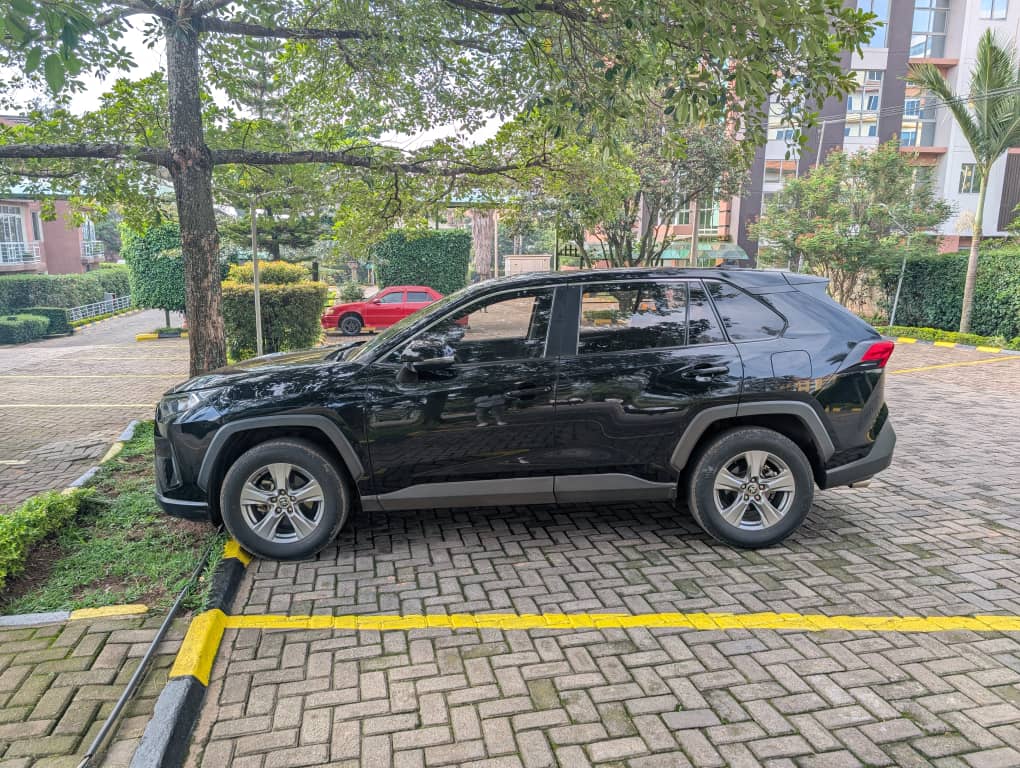
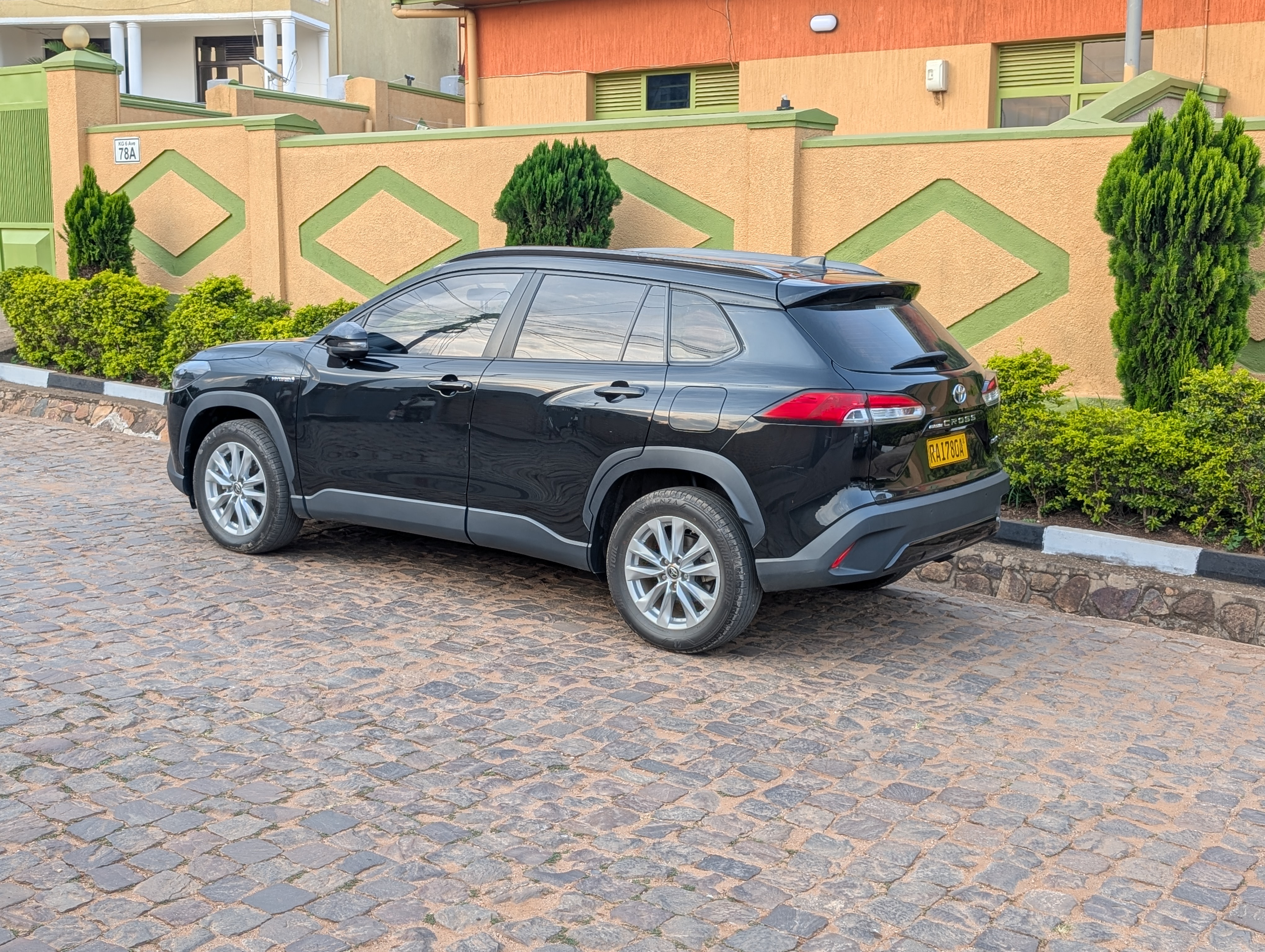
Lake Ihema is in Akagera's southern sector, accessible on flat, well-graded tracks from the South Gate. For the lake circuit, a RAV4 is perfectly adequate in dry season. The boat cruise operates independently of what vehicle you have. Full route from Kigali to Akagera here.
-> Akagera safari car hire from $60/day
-> WhatsApp us your Akagera dates: +250 788 362 035
-> Rwanda bucket list -- 15 experiences including Lake Ihema