Does Rwanda Have the Big Five?
Yes. Rwanda is one of a small number of countries in Africa where all five members of the traditional Big Five -- lion, leopard, elephant, African buffalo, and rhinoceros -- can be found in the wild. All five are in Akagera National Park. This makes Akagera, per square kilometre, one of the most wildlife-complete parks in East Africa.
Here is the complete guide to each species: where they live in Rwanda, when to look, how to read their behavior, and the honest truth about your odds of seeing them.
1. Lion -- The Reintroduced Predator
Lions were absent from Rwanda for 17 years before being reintroduced to Akagera in 2015. The population has grown from 7 founding animals to over 50 by 2026, including multiple breeding prides and a growing number of cubs born in Rwanda.
Where: Akagera's northern sector -- Mutumba Hills and the area approaching North Gate. Open savannah terrain with long sightlines.
When: Dawn (6-8 AM) and dusk (5-6:30 PM). Midday lions exist in a state of magnificent inertness under acacia trees.
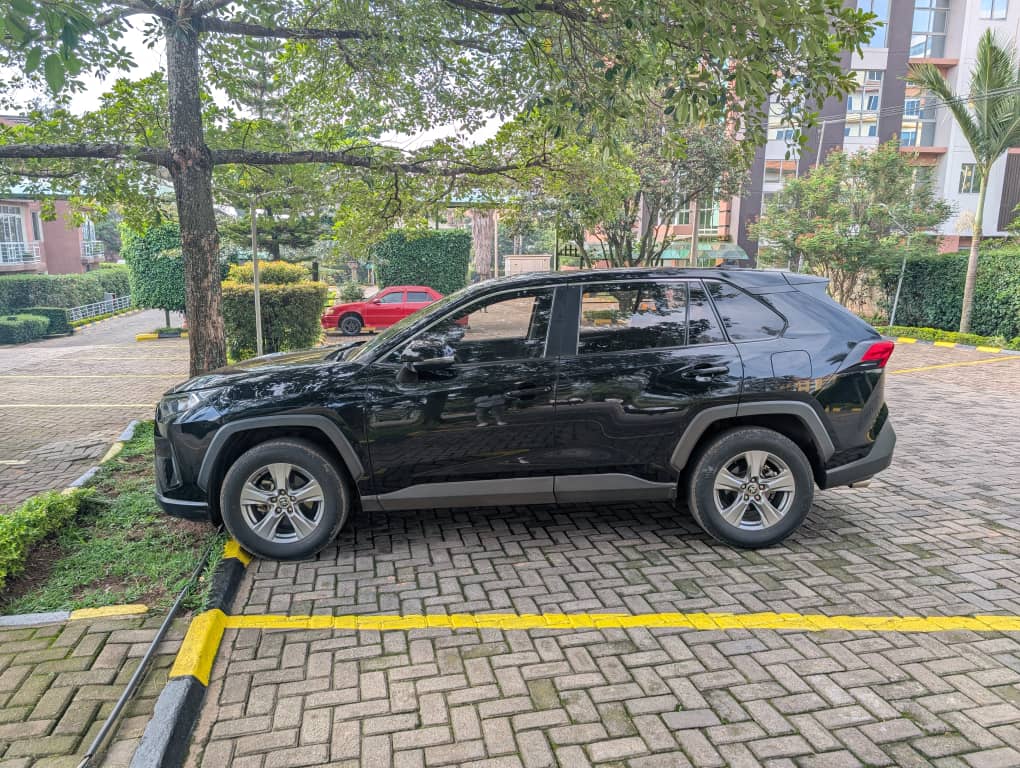
Vehicle: Land Cruiser recommended for the northern sector. RAV4 adequate for central circuits in dry season.
Honest odds: High in the dry season (June-September) when the grass is short and movement is more visible. Lower in wet season. See our full lion behavior and location guide.
2. Leopard -- The Animal You Almost Never See
Leopards exist in Akagera. They are seen rarely. This is entirely in keeping with leopard nature -- the species is the most secretive, nocturnal, and arboreal of the Big Five, and even in parks where they are abundant, sightings are rare and always memorable precisely because of their rarity.
Where: Throughout Akagera, but primarily the rocky sections of the northern and central park where they densite in outcrops and dense vegetation. Also in Nyungwe Forest, where sightings are exceptionally rare.
When: Dawn and dusk. Most daytime leopard sightings in Akagera are of animals resting in trees -- scan acacia tree branches, particularly around rocky outcrops. The outline of a leopard tail hanging from a branch is what you are looking for.
Vehicle: Any 4x4 -- the leopard does not care about your vehicle, it will be watching you long before you see it.
Honest odds: Low. A leopard sighting at Akagera is a genuine gift. Do not plan your trip around it; celebrate if it happens.
3. Elephant -- The Survivors
Akagera's 200+ African bush elephants survived the 1990s by retreating deep into the park's inaccessible areas. They are recovering -- calves are being born, family groups are re-establishing their ranges, and encounters are increasingly common in the central and northern sections.
Where: Water sources at dawn, northern forest sections, the central park acacia woodland. Ask rangers for the morning report.
When: Dawn at water. Mid-morning in the shade of large trees. The herd moves predictably between water and food.
Vehicle: Land Cruiser for northern areas. RAV4 adequate for central sections in dry season.
Honest odds: Good. Akagera's elephant population is visible and encounters are regular for visitors who drive the full park circuit. See our full elephant behavior guide.
4. African Buffalo -- The Herd Animal That Kills Lions
African buffalo are the most abundant large animal in Akagera after hippos. Herds of 200-500 buffalo move through the park's central grasslands daily. Old males -- dagga boys -- separate from the herd and live in small bachelor groups in denser vegetation.
Where: Open grasslands in the central park, particularly the area around Lake Mihindi and along the main game-viewing circuits. Almost impossible to miss on a full day circuit.
When: All day -- buffalo are less heat-sensitive than other species and remain active through midday. Morning and evening concentrations are largest around water.
Vehicle: Any 4x4. Buffalo are abundant and visible from the main tracks.
Honest odds: Very high. Buffalo are among the most reliable sightings in Akagera. A full day in the park without seeing buffalo would be unusual.
Note on buffalo behavior: old dagga boys -- massive, scarred, past their reproductive prime -- are arguably the most dangerous large animals in Africa. Unpredictable and capable of impressive speed, they are not the docile-looking creatures the herd appears to be. Maintain vehicle distance. Do not approach a lone old male on foot under any circumstances.
5. Rhinoceros -- Rwanda's Rarest Big Five
Akagera has a population of Eastern black rhinos -- one of the most endangered large mammal subspecies in Africa, with a total world population of approximately 1,000 individuals. The Akagera rhino population is the result of a successful reintroduction program that began in 2017 with 18 animals relocated from Europe and other African parks.
By 2026, calves have been born in Rwanda and the population is growing. Akagera's rhino are intensively protected -- each animal is GPS-collared and monitored by a dedicated anti-poaching team 24 hours a day.
Where: The Akagera rhino range is managed and their exact locations are not publicly disclosed for security reasons. Guided rhino tracking is available as a separate add-on activity -- book at the South Gate. It is not a standard game drive activity.
When: Guided rhino tracking is typically conducted in the early morning.
Vehicle: Rhino tracking is done on foot with armed rangers after being driven to the rhino's general area by vehicle. Your rental vehicle gets you to the park; the tracking itself is on foot.
Cost: Rhino tracking is an additional fee on top of standard park entry. Ask at the South Gate for current pricing and availability.
Honest odds: The guided tracking has a high success rate because rangers know exactly where the rhino are via GPS monitoring. Standard game drive sightings are rare.
Planning Your Big Five Safari in Rwanda
All five Big Five species are in Akagera. A 2-day stay inside the park -- arriving at the South Gate at 6 AM on day one, spending two full days on game circuits, and departing on day three -- gives you the best chance at all five.
Add gorilla trekking at Volcanoes NP (a 4-hour drive from Akagera via Kigali) and you have a Rwanda wildlife trip that touches four of the world's most extraordinary wildlife experiences. This entire itinerary is done in a self-drive rental vehicle. See our 7-day Rwanda road trip itinerary for the full route plan.
-> Akagera safari car hire -- the right vehicle for every Big Five species
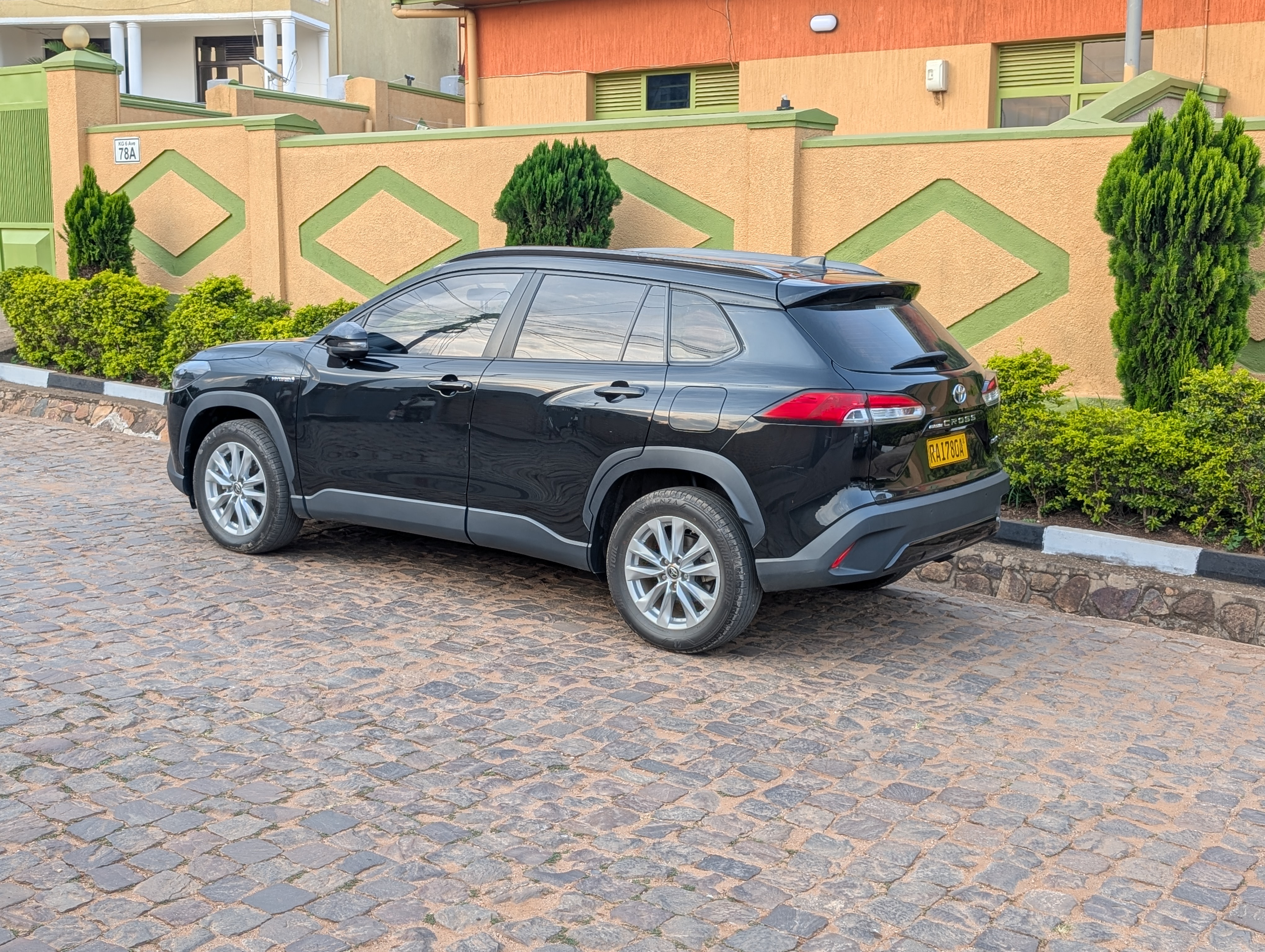
-> Land Cruiser for serious northern sector driving from $170/day
-> WhatsApp us your safari plan: +250 788 362 035
-> Rwanda bucket list -- the 15 experiences every visitor must have