
Rwanda's Newest Wildlife Story
In December 2021, 18 Rothschild's giraffes -- one of the most endangered giraffe subspecies in the world -- were transported from Uganda to Akagera National Park in a multi-day operation that involved custom-built crates, veterinary teams, and significant logistics across international borders.
The Rothschild's giraffe (Giraffa camelopardalis rothschildi) is distinguished from other giraffe subspecies by its coat pattern -- large, irregularly shaped orange-brown patches with cream borders -- and by the absence of markings below the knee, giving the impression of white stockings. The total world population is approximately 2,500 individuals. Akagera's founding group represents a conservation intervention of real significance.
By 2026, the Akagera giraffe population has expanded. Calves have been born in Rwanda. The group has mapped its range within the park. They are, gradually, becoming Akagera's giraffes.
Why Giraffes Are More Interesting Than They Look
Giraffes have a reputation as the gentle giants of the savannah -- long-necked, slow, harmless. This reputation is incomplete. They are also one of the few large mammals capable of killing a lion with a single kick, they have hearts the size of a basketball pumping blood 2.5 metres upward against gravity, and their social structure is far more complex than their passive reputation suggests.
- Heart: A giraffe's heart weighs 11 kg and generates twice the blood pressure of a human heart. To pump blood to a brain 2.5 metres above the heart, the vascular system includes pressure-regulating valves in the neck that prevent the animal from fainting when it lowers its head to drink. Watching a giraffe drink -- legs spread wide, neck angled down -- is watching an extraordinary piece of evolutionary engineering operate in real time.
- Neck combat (necking): Male giraffes fight for dominance by swinging their necks at each other like slow-motion clubs, using their ossicones (the bony protuberances on their head) as impact points. A well-landed neck swing can knock a rival unconscious. Necking matches between Akagera's young males as the social hierarchy establishes itself are increasingly common as the population matures.
- Sleep: Giraffes sleep on average 4.6 hours per day -- the second-lowest sleep requirement of any mammal. They sleep in brief 35-minute bouts, often standing. Fully lying down to sleep (which takes 5 minutes to accomplish given the logistical challenge of their anatomy) happens only in deep safety. If you see an Akagera giraffe lying down, you are seeing something it does rarely.
Reading Giraffe Behavior in Akagera
- Feeding: Giraffes spend 16-20 hours a day browsing. Their preferred food in Akagera is acacia -- the thorny yellow-barked acacias that line the park's watercourses. The giraffe's 45 cm prehensile tongue strips leaves from around thorns that would shred any other browser. Watch the tongue work. It is remarkable.
- The alarm response: Giraffes have exceptional eyesight and are effective early-warning systems for the wider animal community. When a giraffe stares intently in one direction with ears rotating, every zebra, impala, and warthog within 200 metres notices and responds. The giraffe is seeing something. Lions, if present, often trigger this response first.
- Calf behavior: Giraffe calves are born at 1.8 metres tall -- already taller than most adult humans -- and can walk within hours of birth. The bond between a cow and her new calf is intense, with the cow standing over the calf when threatened and positioning herself between it and any approaching animal including vehicles.
Where to Find Giraffes in Akagera
The Akagera giraffe group ranges primarily in the central and northern sections of the park, in the acacia-dotted open grassland that is their preferred habitat. Their height makes them visible from long distances -- scanning open areas from any elevated position in the park, a giraffe's silhouette at 500 metres is unmistakable.
The ranger team at the South Gate tracks giraffe locations as part of their daily monitoring. Ask when you arrive -- the morning radio report often includes the giraffe group's last known position. Self-drive visitors who stop to ask these questions get the same information as organized tours. Use it.
What Vehicle for Giraffe Viewing
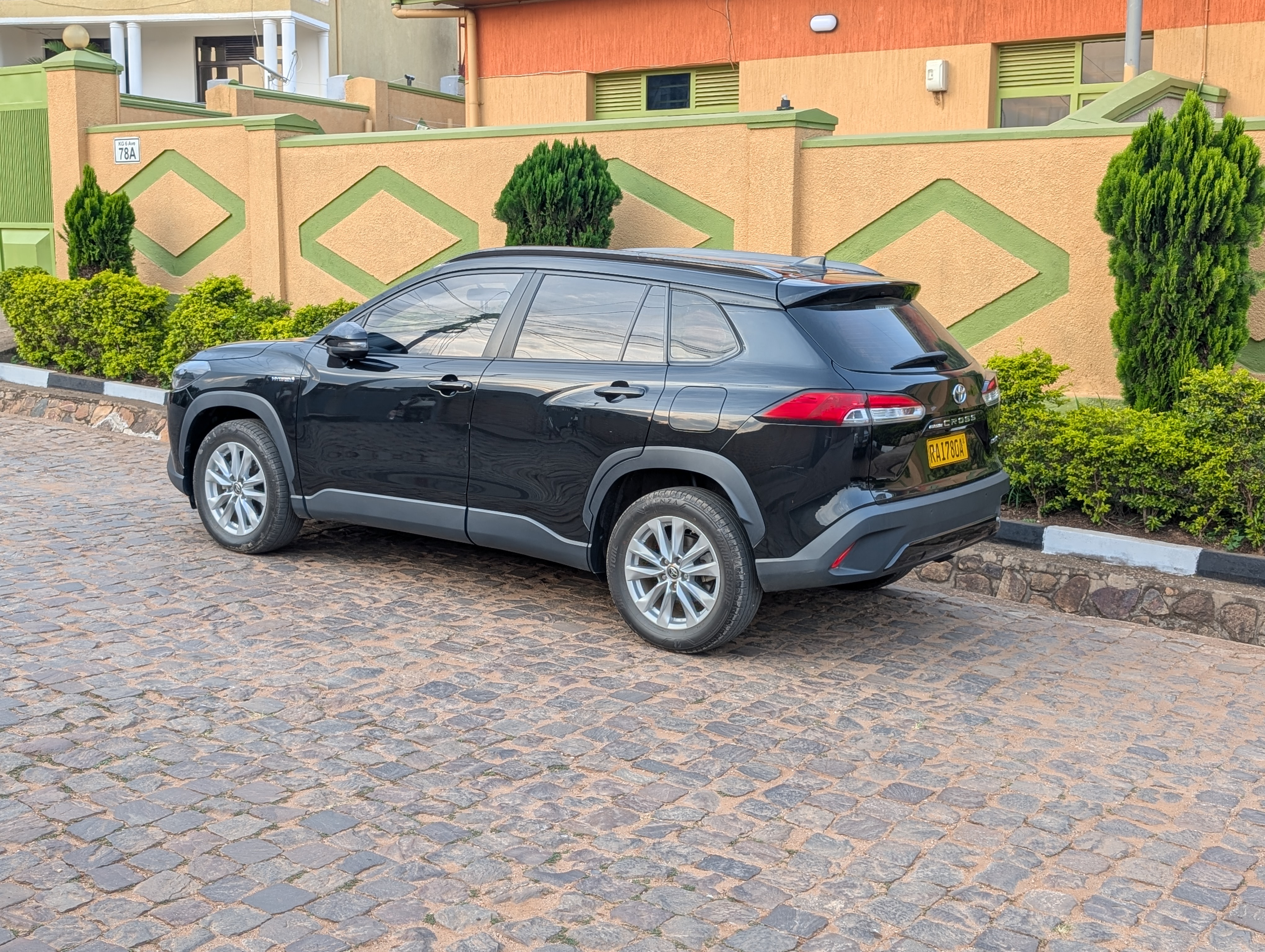
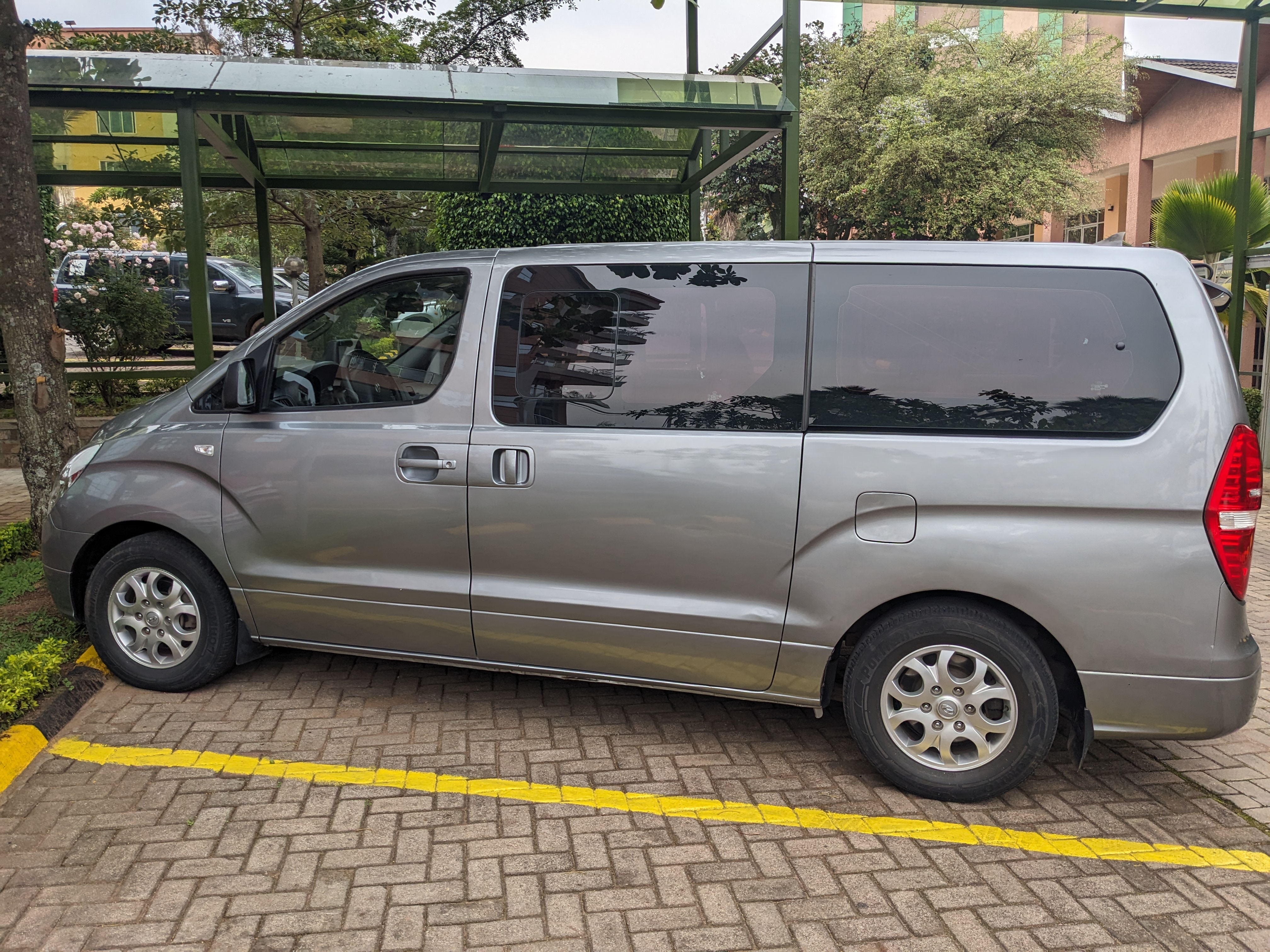
The central and northern sections of Akagera where giraffes range are accessible in a RAV4 during dry season. For the rougher northern tracks, especially in wet season, a Land Cruiser with high clearance gives you access to areas where the giraffe group tends to concentrate around better browse. Full driving route from Kigali to Akagera here.
-> Akagera safari car hire -- RAV4 from $60, Land Cruiser from $170
-> WhatsApp us your safari dates: +250 788 362 035
-> Akagera lions -- also reintroduced, also extraordinary