
Understanding Mountain Gorilla Behavior Before You Trek
You have paid $1,500 for a gorilla permit. You have driven four hours from Kigali to Musanze. You have hiked through volcanic forest for two hours. And then -- there they are. A family of 12 mountain gorillas, 8 metres away, completely unbothered by your presence.
Most visitors spend the next hour watching with their mouths open, taking photographs, whispering. They see everything. They understand almost nothing. This guide changes that. When you know what gorilla behavior means, your one hour becomes something else entirely.
The Hierarchy -- Who Is Who in the Group
Every gorilla group is organized around a dominant silverback -- the large male whose back hair turns silver as he matures, usually around age 12. He is not just the biggest. He is the decision-maker, the protector, the arbitrator of every social conflict.
Below him: blackbacks (younger adult males), adult females, juveniles (3-8 years), and infants. Watch where each individual sits relative to the silverback. The closer, the higher-ranking. Females with infants are always within the silverback's protective orbit.
When two gorillas have a dispute over food or resting position, they do not look at each other -- they look at the silverback. He settles it, usually with nothing more than a look or a small movement. You are watching a social structure that has been operating for millions of years.
What Chest Beating Actually Means
If you are lucky, you will see a silverback chest beat. The sound carries through the forest like a drum. Most visitors assume this is aggression directed at them. It is almost never that.
Chest beating is primarily communication -- with other groups, with other males, with the whole forest. It says: I am here, I am strong, this is my territory and my family. A silverback chest beats when he hears another group nearby, when a blackback is pushing too hard for dominance, or sometimes simply to reassert his position after an internal dispute.
When a silverback chest beats in front of your group and then goes back to eating leaves, he has told you something important: you are not a threat worth bothering with. That is the exact moment you understand habituated gorillas.
The Daily Routine -- What Gorillas Are Actually Doing
Mountain gorillas are eating machines. An adult male needs 18-20 kg of vegetation per day. This means:
- 6 AM - 8 AM: First feeding session -- gorillas leave the night nest and immediately start eating. This is when they are most active and moving through the forest.
- 8 AM - midday: Social time -- grooming, playing, resting. This is when you will see the richest behavior if you trek in the morning.
- Midday - 2 PM: Rest period. The silverback sleeps. Infants play on his back. Juveniles chase each other. Females groom.
- 2 PM - 5 PM: Second major feeding session before building night nests.
Morning treks -- departing Musanze at 5:30 AM -- catch gorillas in their social window. This is not an accident. The guides know exactly when behavior is richest. Driving yourself from Kigali means you control your departure time.
Grooming -- The Language You Are Watching
When two gorillas groom each other -- carefully parting fur and picking with their fingers -- they are not just removing parasites. Grooming is the primary social bonding mechanism in gorilla society. Who grooms whom, for how long, and who initiates tells you everything about the relationships in that group.
A female grooming the silverback is maintaining her position within his social protection. Juveniles grooming each other are building alliances that will matter throughout their lives. If you see a gorilla approach another and present their back, you are watching an invitation -- a request for connection.
Infant Behavior -- The Most Captivating 10 Minutes of Your Life
Gorilla infants (0-3 years) are carried everywhere by their mothers. They cling to the belly for the first months, then ride on the back. Watching an infant detach from its mother and take a few wobbling steps toward your group -- and then scramble back at the last second -- is the closest thing to watching your own toddler try to be brave.
Gorilla infants laugh. Not metaphorically. When tickled or chased by a juvenile sibling, they produce a rapid panting vocalization that researchers describe as laughter. If you hear it during your hour, stop photographing. Just listen. That sound is 98.7% of the same genetic material as yours, expressing the same thing yours would.
The Look -- When a Silverback Makes Eye Contact
At some point during your hour, the silverback will look directly at you. Not through you, not past you. At you.
Do not stare back. Prolonged direct eye contact is a challenge in gorilla communication. Look slightly away. Crouch down -- making yourself smaller signals submission. The guides will tell you this before the trek. Follow it exactly.
What happens after the look is the moment that stays with you for 30 years. He looks, you submit, he goes back to eating leaves. He has assessed you, found you harmless, and decided you are not worth his attention. You have been accepted into his world for one hour. There is nothing like it in nature.
How to Get There -- The Car Question
Volcanoes National Park headquarters is 105 km from Kigali -- approximately 2.5 hours in a good vehicle. Trekking begins at the park headquarters at 7 AM. This means a 4:30 AM departure from Kigali or staying in Musanze the night before.
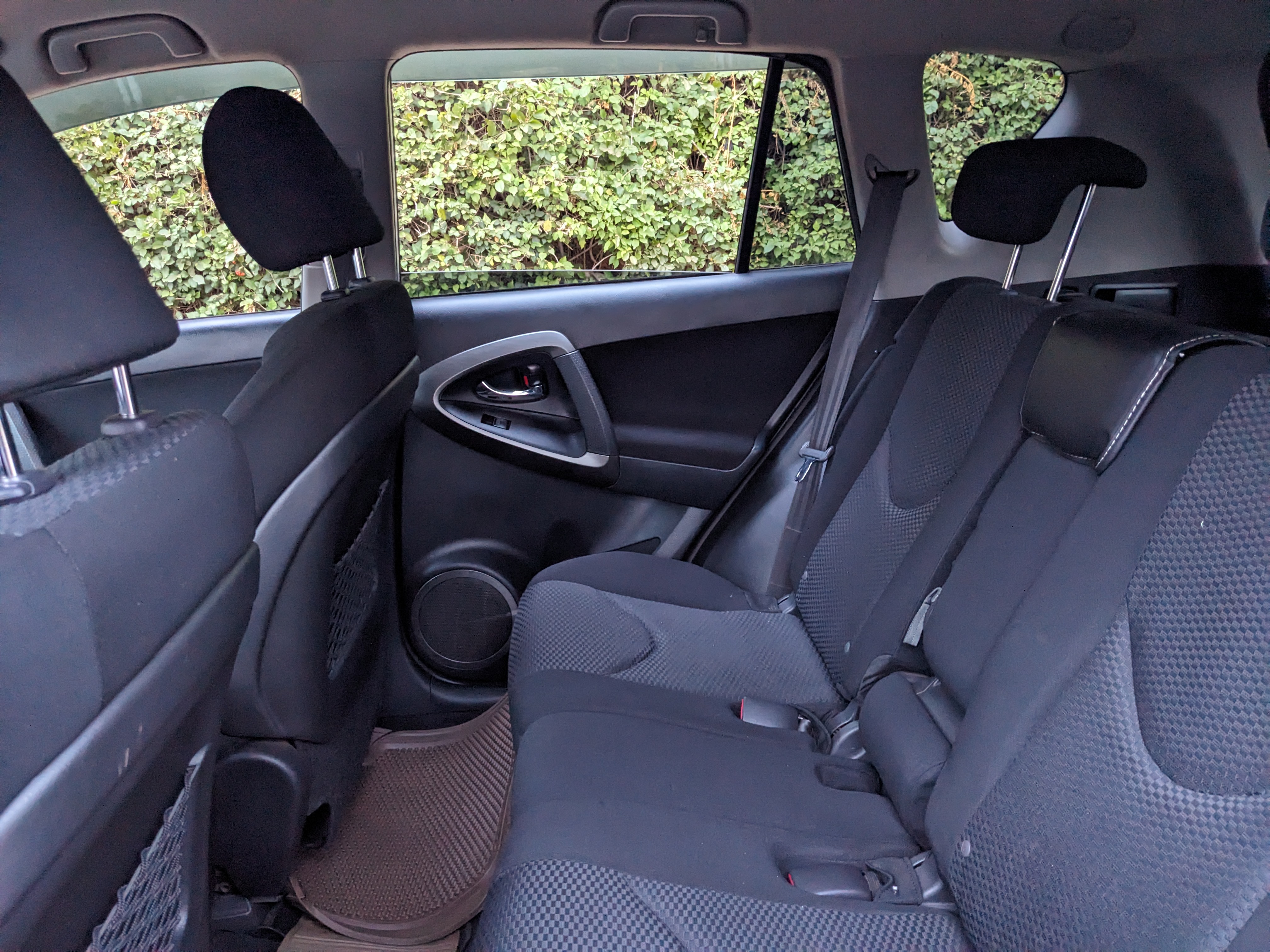
Every tour group that departs Kigali together arrives at headquarters together. The trail is quieter if you are there before the crowd. A self-drive in a Toyota RAV4 or Land Cruiser from $60/day means you set your own clock.
-> WhatsApp us your trek date: +250 788 362 035
-> Full gorilla trekking car hire page
-> Kigali to Musanze complete driving guide