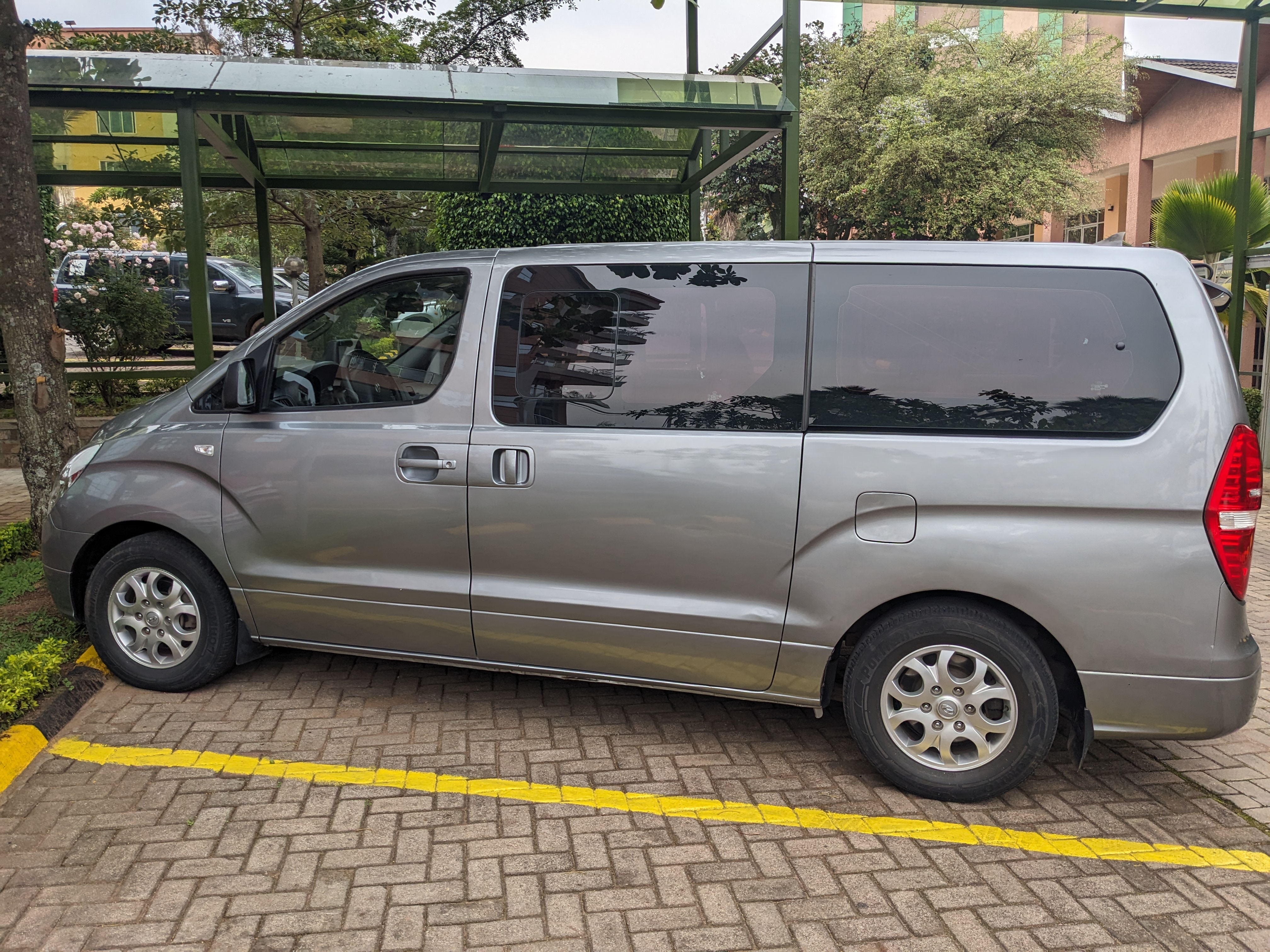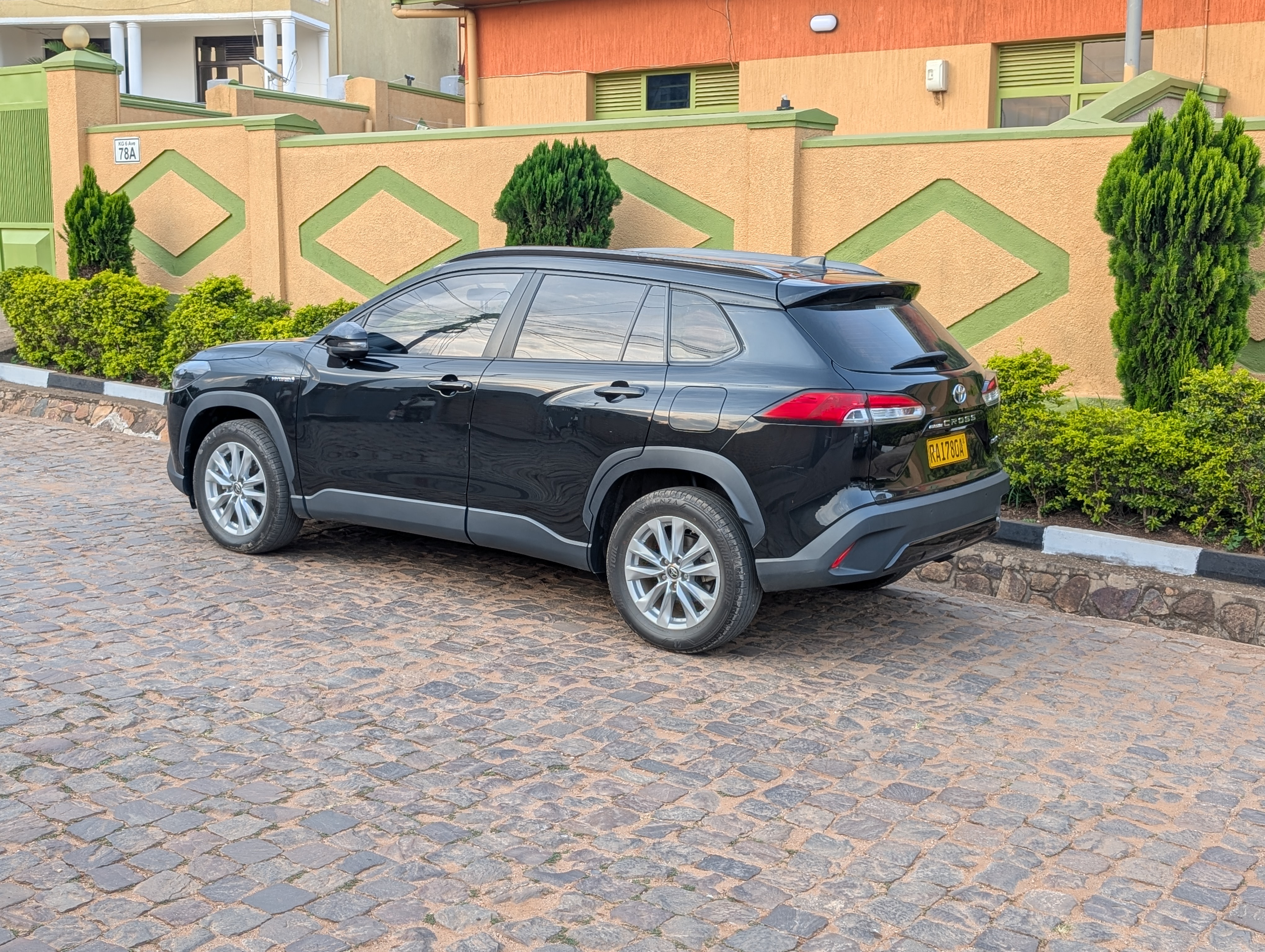
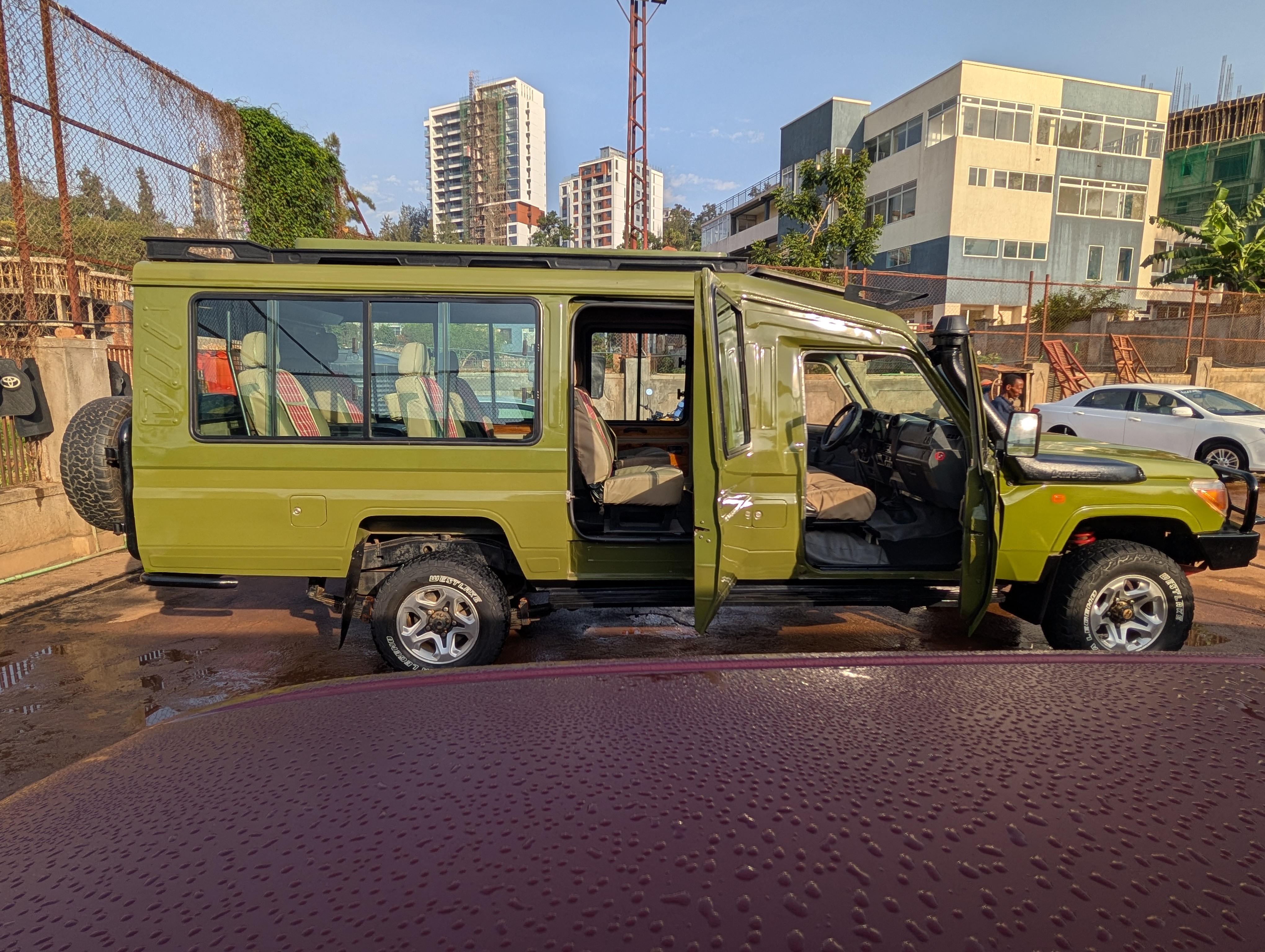
You have booked your $1,500 gorilla permit. You have reserved your rental car from Rent Cars Kigali for the Musanze drive. And now, in a quiet moment, the questions start creeping in: Do gorillas attack? Is it actually safe? What if a gorilla charges?
These are completely normal questions. Here are the honest, factual answers.
Do Gorillas Attack Humans?
Unprovoked attacks on humans during habituated gorilla trekking are extremely rare. The gorilla families that tourists visit in Volcanoes National Park have been carefully habituated over years — they are accustomed to human presence and generally regard visitors with curious indifference rather than aggression.
Gorillas are not predators. They do not hunt or eat humans. A mountain gorilla's diet is almost entirely vegetarian — leaves, stems, fruit, bark. They have no evolutionary reason to attack humans and have been observed to be remarkably tolerant of our presence when properly introduced.
What About Gorilla Charges?
Gorillas do sometimes make mock charges — particularly silverback males asserting dominance or responding to a perceived threat. This looks and sounds frightening: a large male beating his chest and rushing toward you. Here is what you actually do:
- Do not run — running triggers a predator-prey response in most animals. Stay still.
- Look down — avoid direct eye contact, which can be read as a challenge
- Crouch slightly — making yourself smaller signals submission
- Follow your guide's instructions — they have seen this many times and will direct you
Mock charges almost always stop before contact. Your professional guide and armed ranger have handled this situation before.
Can Gorillas Make You Sick?
Mountain gorillas share about 98% of our DNA and are susceptible to human diseases — particularly respiratory illnesses. This is why trekking rules include:
- If you are sick (cold, flu, any respiratory illness), you cannot trek — and your permit will be rescheduled or refunded
- Maintain a 7-meter (23-foot) minimum distance from gorillas at all times
- No flash photography
- Remove your mask only if directed by the guide
- Turn away and cover your mouth if you need to sneeze or cough
What If a Gorilla Gets Very Close?
It happens. Gorillas sometimes walk directly through the group, sit very near visitors, or — as juvenile gorillas sometimes do — touch a trekker out of curiosity. The correct response: stay completely still, do not react dramatically, do not touch back. Your guide will gently redirect the situation. These close encounters are actually some of the most treasured trekking memories visitors describe.
How Safe Is the Trek Itself?
The trek to find gorillas involves walking through volcanic forest for anywhere from 30 minutes to 6+ hours depending on where the gorilla family has moved. The terrain can be steep and muddy. Physical risks:
- Twisted ankle on uneven ground — wear proper hiking boots
- Scratches from vegetation — wear long sleeves and use gloves
- Fatigue — the trek can be physically demanding; be honest about your fitness
- Stinging nettles — part of the forest — gloves and long trousers protect you
Our Tips for Nervous First-Time Trekkers
- Request a gorilla family known for being calm — ask your permit office
- Hire a porter at the park entrance ($15) — they carry your bag and support you on steep sections
- Start your Kigali to Musanze drive early to arrive rested — book your car the night before through Rent Cars Kigali
- Trust your guide completely — they have done this hundreds of times
Ready for one of life's great wildlife experiences? Book your gorilla trekking car today — we get you to Volcanoes NP safely so you can focus on the gorillas.